 GhArticles.com Every News in Detail
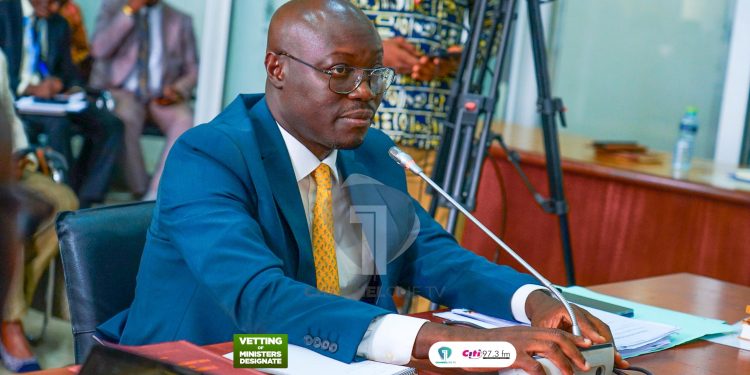
Ghana’s Finance Minister, Dr. Cassiel Ato Forson, will today deliver the 2025 Mid-Year Budget Review in Parliament, with stakeholders keenly watching for updates on spending discipline, inflation control, and economic policy direction.
The presentation comes at a time when Ghana’s macroeconomic indicators are showing significant improvement. Inflation has dropped from 23.5% in January to 13.7% by the end of June, raising hopes of reaching single-digit inflation ahead of the government’s year-end target of 11.9%.
The Ghana cedi has also seen a remarkable recovery, appreciating from GH¢15 to approximately GH¢10.45 per US dollar on the interbank market since January. This currency rebound has begun influencing marginal price reductions in some retail sectors, with businesses cautiously optimistic about sustained stability.
In the first quarter of 2025, Ghana posted a stronger-than-expected GDP growth rate of 5.3%, surpassing the government’s initial full-year projection of 4.4%. This is likely to prompt an upward revision in today’s outlook.
On the fiscal side, the budget review may address whether the government will stay within its original expenditure envelope or seek a supplementary budget amid ongoing economic and political demands.
While the scrapping of the betting tax has been well received, a recently introduced GH¢1 fuel levy has sparked public discontent. Analysts will be watching for possible amendments or a timeline for its withdrawal.
Additionally, Ghana’s gross international reserves have grown to US\$11.1 billion equivalent to 4.8 months of import cover up from US$8.98 billion at the close of 2024. The cedi’s 42.6% year-to-date gain has been credited to increased inflows from gold, cocoa exports, remittances, and renewed investor confidence.
Despite these promising figures, economists are urging the government to maintain fiscal prudence, especially as infrastructure projects begin ramping up in the latter half of the year.


