 GhArticles.com Every News in Detail
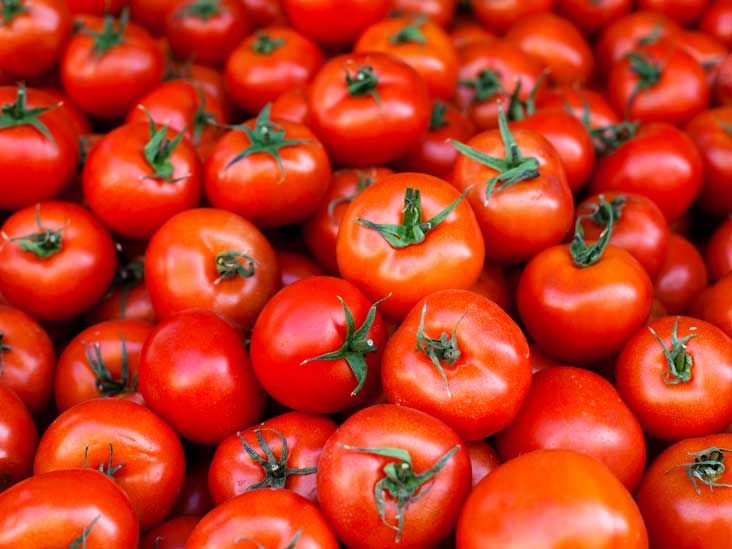
The (FABAG) has raised serious concerns over Ghana’s tomato supply crisis following a ban on tomato exports from .
In a press statement, FABAG described the situation as a clear reflection of deep-rooted weaknesses, poor planning, and policy failures within Ghana’s agricultural sector.
According to the Association, it is unacceptable for a country with vast agricultural potential to depend on imports for a basic commodity like tomatoes. It emphasized that despite having fertile land, irrigation systems, agricultural institutions, and extension services, Ghana continues to struggle with local production.
FABAG warned that the inability to produce sufficient tomatoes exposes a critical gap in leadership and coordination within the .
The Association further stressed that tomatoes are a short-cycle crop, typically maturing within 60 to 90 days, making it possible for Ghana to achieve multiple harvests annually with proper planning and irrigation.
It argued that if the Ministry fails to mobilize nationwide production within the next two to three months, it may require restructuring into a more results-driven institution with clear accountability measures.
FABAG also highlighted that Ghana already has access to key agricultural inputs such as improved seeds, fertilizers, and mechanization services. However, the persistent production challenges suggest inefficiencies in policy implementation rather than a lack of resources.
The group cautioned that heavy reliance on imports for essential food items poses a national security risk and called for urgent intervention.
To address the crisis, FABAG proposed several measures, including the declaration of a national tomato emergency programme, distribution of improved seeds, subsidized inputs, expansion of irrigation, and increased youth participation in commercial farming.
Additional recommendations include support for greenhouse farming, revival of tomato processing factories, and investment in storage and transportation systems to reduce post-harvest losses.
FABAG urged the government to set a clear target for achieving tomato self-sufficiency within one year, emphasizing the need to move beyond policy discussions toward tangible results in food production.