 GhArticles.com Every News in Detail
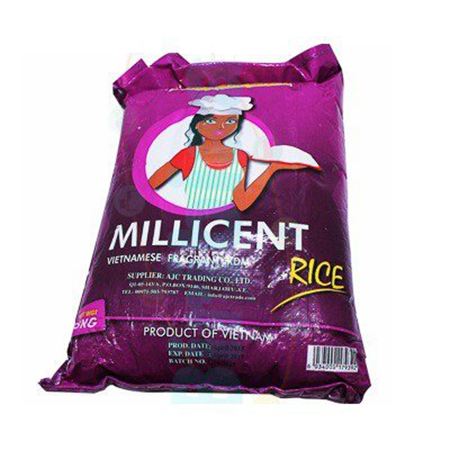
Recent data from the Ministry of Food and Agriculture in Ghana indicates a substantial decrease of 45.34% in rice imports between 2021 and 2023. In 2021, the country imported an estimated 805,000 metric tons of rice, a figure that dwindled to 650,000 metric tons in 2022 and further dropped to 440,000 metric tons in 2023.
Industry stakeholders attribute this notable reduction to an uptick in import taxes and the reversal of the benchmark value discount policy on selected imported products, including rice. The impact of these policy changes has been felt throughout the rice supply chain, leading to a decline in imported quantities.
Farmers, who have consistently faced challenges such as the lack of buyers for stored rice and market price disparities due to the influx of cheaper, smuggled foreign rice brands, may now see a shift in market dynamics. The decrease in imports opens up opportunities for local rice producers to meet the national demand.
To bridge the gap in the overall rice supply, the report suggests that Ghana aims to produce 1.0 million metric tons of rice domestically, fostering self-sufficiency. Achieving this target could result in significant savings for the nation, reducing import expenditures by about 500 million dollars annually.
This shift in the rice trade landscape reflects the potential for increased domestic production and self-reliance, offering a promising outlook for the local agricultural sector in Ghana.


